
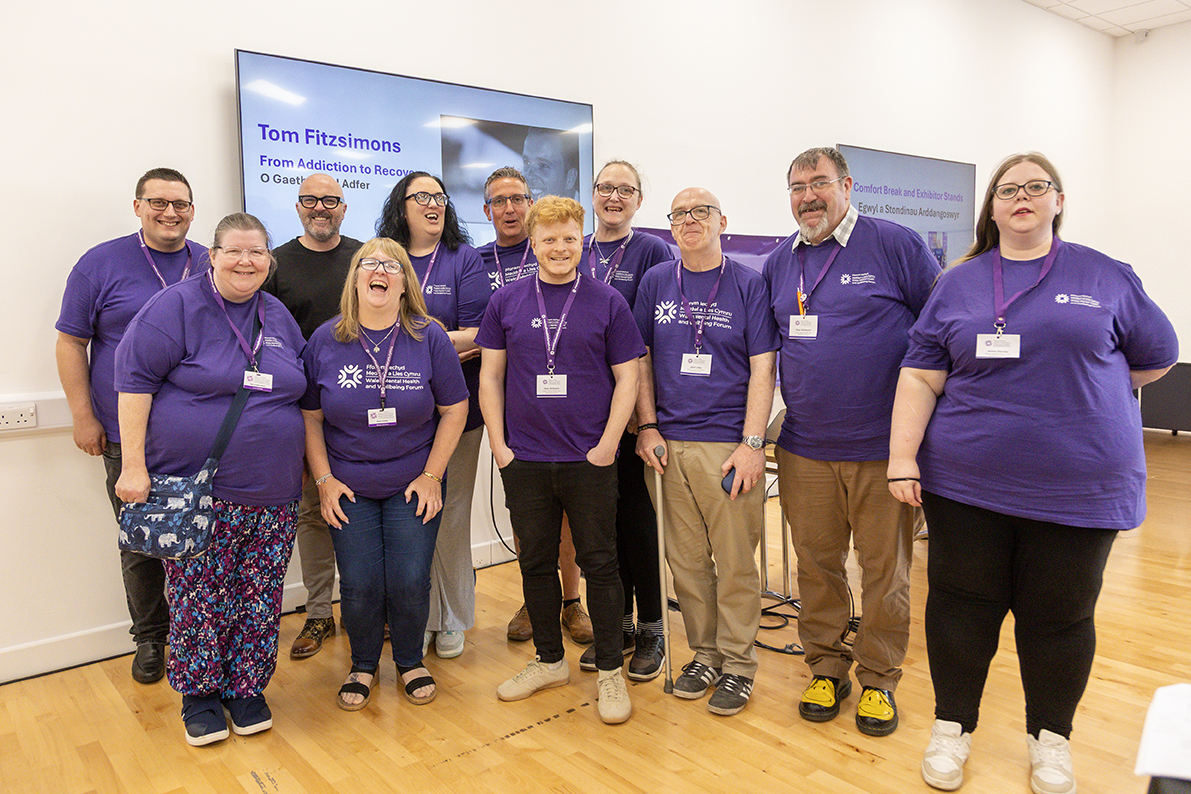
At Practice Solutions, citizen voice has always been more than a principle, it is central to how meaningful, sustainable change happens across health and social care. As we celebrate 25 years of supporting improvement across the sector, we continue to see firsthand that the most effective systems are those shaped with people, not just for them.
A recent NSCC Network Insights session, delivered in partnership with the Wales Mental Health and Wellbeing Forum, offered a powerful illustration of what true co-production looks like in practice, and why moving from consultation to shared power matters more than ever.
Citizen Voice: Embedded in Policy, Challenged in Practice
Citizen voice and co-production have been embedded in Welsh legislation since the Social Services and Wellbeing (Wales) Act 2014 and the Future Generations Act (2015). Yet, despite this policy foundation, the value placed on lived experience can still ebb and flow across organisations and systems.
A simple but challenging question framed the discussion:
“Name one change your organisation made last quarter because a citizen asked for it.”
For many, this prompted reflection on how often engagement is genuinely influential, and how often it stops short of real decisionmaking power.
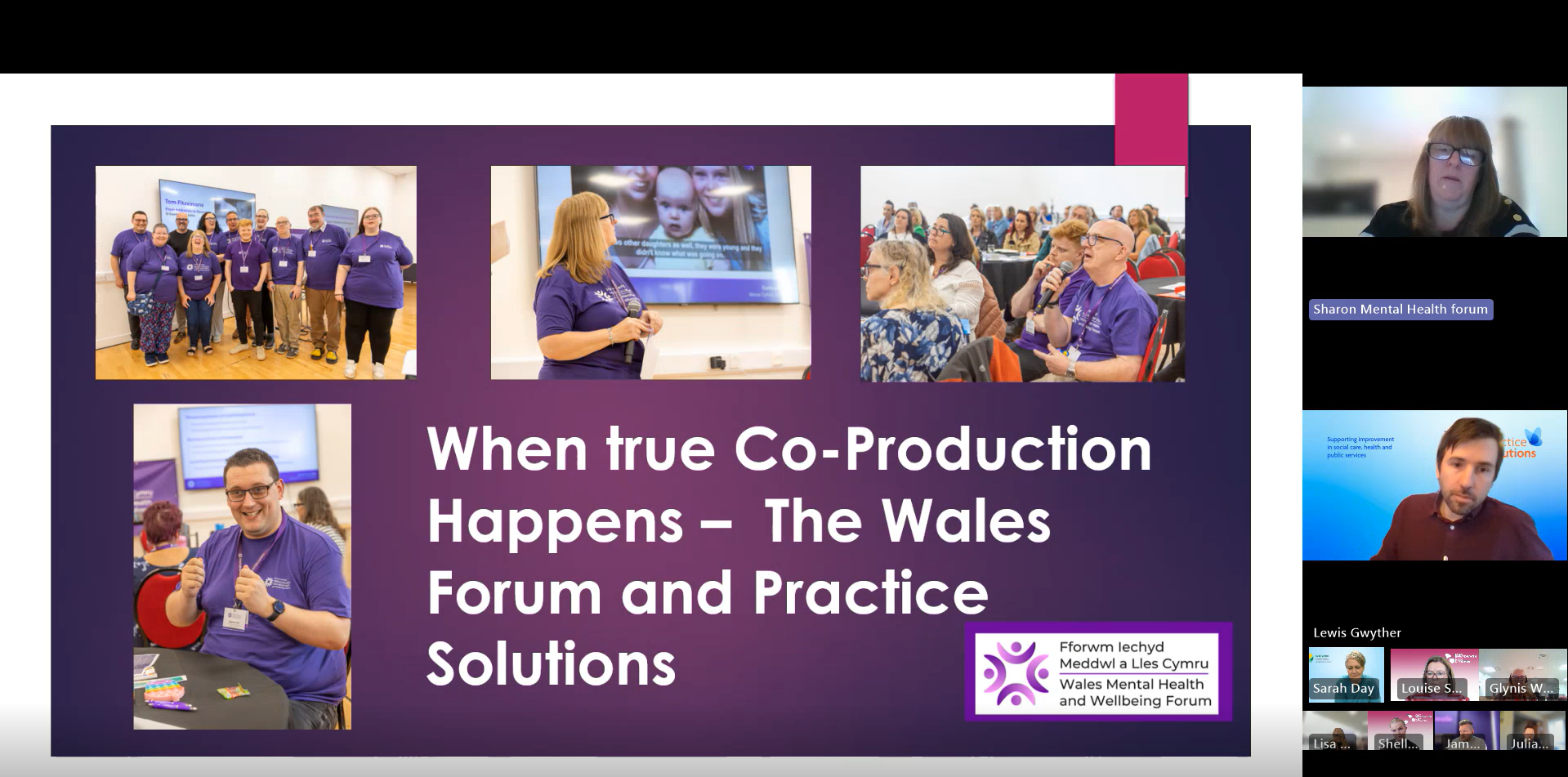
The Wales Mental Health and Wellbeing Forum: From Participation to Power
The Wales Mental Health and Wellbeing Forum is a national group of people with lived experience of mental health issues, alongside friends, families and carers. Established in 2013 following the Together for Mental Health strategy, the Forum’s vision is clear:
To improve mental health and wellbeing by respecting and empowering people to influence decisionmaking at local and national levels.
What makes the Forum’s journey particularly powerful is how co-production has moved beyond theory into action. With support from Practice Solutions, the Forum has:
- Taken ownership of its governance and direction
- Rebranded, including designing its own logo and identity
- Built an independent website and social media presence
- Developed digital stories to amplify lived experience
- Delivered co-production training
- Influenced national and local mental health strategies
This is not tokenistic engagement. It is citizens shaping systems.
“It was quite strange at first”: Letting Go of Control
During the NSCC Network Insights session, Forum member Sharon Phillips reflected candidly on what the shift to genuine co-production felt like in practice.
“When Practice Solutions came on board, it was quite strange at first. We’d always turned up to meetings where everything was done for us – the agendas were set, the direction was decided. Suddenly it was like, ‘Where do we go from here?’”
That moment of uncertainty was not a failure of co-production, it was the start of shared power.
“It became very much driven by us as members. We had space to think about what we wanted from the Forum, rather than being told.”
True co-production requires organisations to step back, resist the urge to control, and trust people with lived experience to lead.
Authority in Action: More Than a Seat at the Table
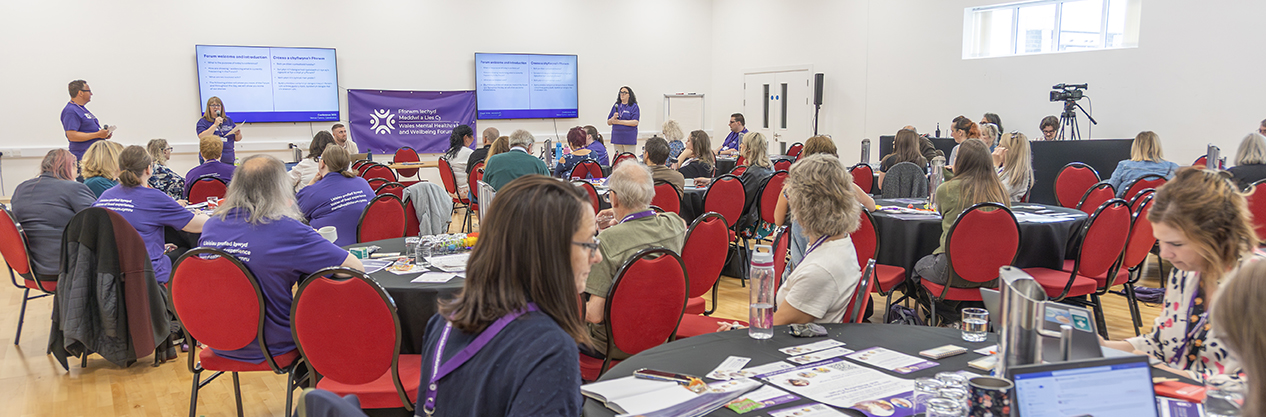
Today, Forum members chair and manage meetings, control agendas and define priorities. Lived experience is not invited into the room as an afterthought, it is embedded at the heart of decisionmaking.
As Sharon explained:
“We have full ownership of how meetings are run. We control the agenda, we chair the meetings, and we decide the direction. That’s been a huge shift.”
This authority is practical, visible and meaningful. It is recognised through the Forum’s ownership of key documents and reports like their guidance on coproduction paid and defined roles, the development of their own political manifesto, the delivery of successful national conferences and crucially the development of paid roles that go above and beyond membership responsibilities.
“It’s not tokenistic. People are recognised for their roles, and that shows that lived experience is valued as expertise.”
Co-production Builds People, Not Just Better Systems
One of the strongest insights from the session was that true coproduction does not only improve services, it builds confidence, skills and leadership.
“Being involved in the Forum gave me the confidence to set up my own community interest company locally. Without that support and encouragement, I don’t think I’d have believed I could do it.”
This is an oftenoverlooked outcome of coproduction: developing citizen leaders whose impact reaches far beyond a single programme or project.
So what makes Co-production stick?
Several clear themes have emerged from our work, about what enables coproduction to move from aspiration to reality.
- Authority: People need permission, recognition and confidence to lead. Coproduction works when lived experience is treated as expertise, not anecdote.
- Budgets and Remuneration: Power is often tied to money. Dedicated budgets, commissioning influence and meaningful remuneration signal value. But, recognition does not always have to be financial; choice, respect and influence matter just as much.
- Culture: Sustainable coproduction cannot rely on one passionate individual. As Sharon said:
“If lived experience isn’t embedded in the culture, it disappears when the right person leaves their role.”
Citizen leadership provides consistency beyond professional turnover.
- Decisionmaking: True coproduction happens when citizens shape decisions, not when they are invited to comment once decisions are already made.
Learning from Good Practice Across Wales
Wales continues to demonstrate strong examples of coproduction in action across all areas from Welsh Government programme like the Disability Rights Taskforce and the Anti Racist Wales Action Plan, to front line services like CIC like Community Lives and Swansea Local Authority. From mental health Recovery Colleges with lived experience roles to LD programmes like the North Wales Together Programme. These are supported by wider networks like the Coproduction Network for Wales and the research led IMPACT Networks. Co-production is not limited to mental health, it strengthens all areas of health and social care.
The Role of Networks Like ADSS Cymru’s NSCC
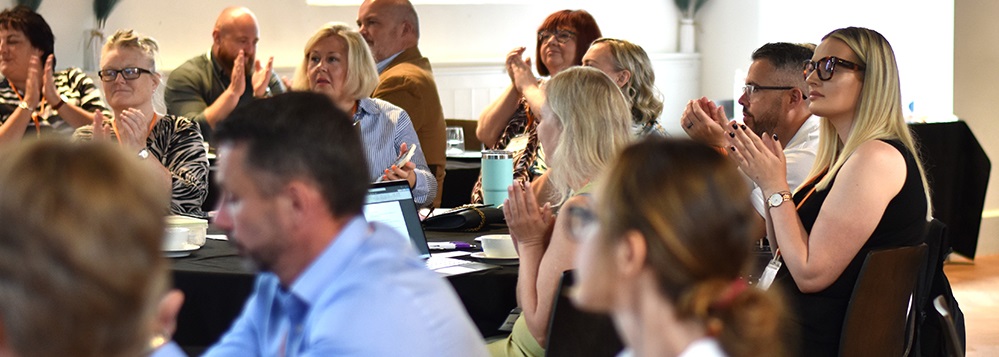
Networks such as the NSCC Network play a vital role in:
- Amplifying good practice across the sector
- Supporting organisations to shift power dynamics
- Encouraging practical commitments, not just shared values
- Providing a new platform for citizen voices to be heard
The challenge remains the same for all of us:
What is one area where we can genuinely increase the power held by citizens?
At Practice Solutions, we are privileged to work alongside organisations and communities who are living and breathing co-production every day. While we may not deliver frontline services directly, our work connects people, surfaces shared learning, and helps systems move closer to what truly matters; meaningful lives shaped by those who live them.
If co-production is to be more than a buzzword, it must be reflected in authority, culture, resources and decisionmaking. The Wales Mental Health and Wellbeing Forum shows us that when this happens, citizens do not just contribute to systems, they shape them.