An interview with Practice Solutions’ Owen Richards about Kid Sister, his award-winning, five-star rated play exploring foster care, and how his co-production experience with us shaped this work.
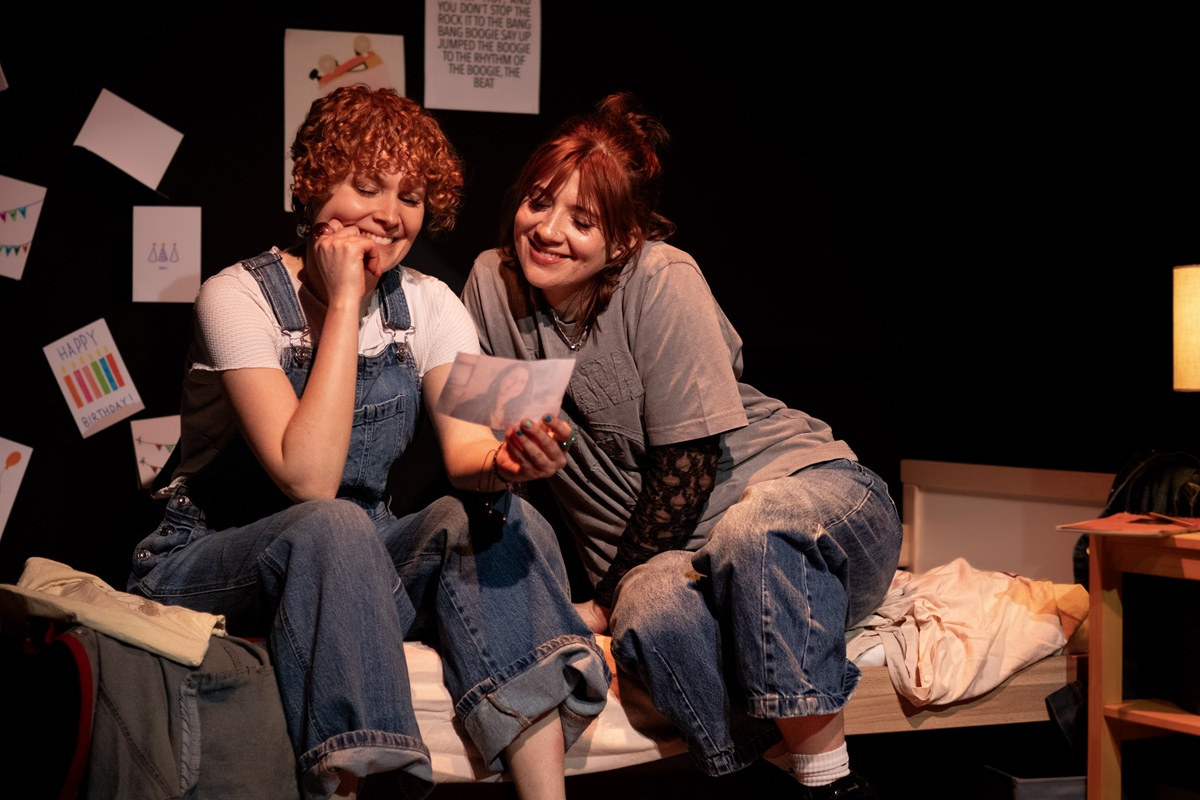
At Practice Solutions, we often talk about listening and creating space for people to share their lived experience. This is far more powerful than many of us realise, and this interview explores why. Owen Richards, our Communications Lead and an award-winning writer, has written an extraordinary play partly inspired by his experiences at Practice Solutions working with people from across the spectrum of social care in Wales.
Owen’s play Kid Sister, recently staged at the Bread and Roses Theatre in Clapham, has been described as “a masterpiece of social realism.” Drawing on his experience working alongside children and young people in the social care system with Practice Solutions, the play offers a deeply human exploration of family, loss, joy, and the complexities of care.
We spoke to Owen about the power of story-telling, being heard, and creative practice to explore complex situations in life, creating deeper understanding between people, in social care and beyond.
Where did the idea for Kid Sister begin?
“The idea came directly from my work with Practice Solutions,” Owen explains. “We were doing a lot of co-production work, particularly with children in care, teaching them digital storytelling. The aim was to help them create films about their experiences, using their own voice.”
Through this work, Owen and the team supported young people to tell their stories in ways that could inform and support others. In one project, children created videos explaining what it’s like to enter care, helping others understand their rights and feel less alone.
“What stayed with me was the level of trust you build. You’re not in a position of authority. You’re working with people as equals. That changes everything.”
Owen has worked at Practice Solutions periodically and in various roles since he was just fifteen years old, and it’s clear that the way he has learned to co-create and empower others to tell their stories has had a deep impact on how he works today as a writer.
How did those experiences shape the story?
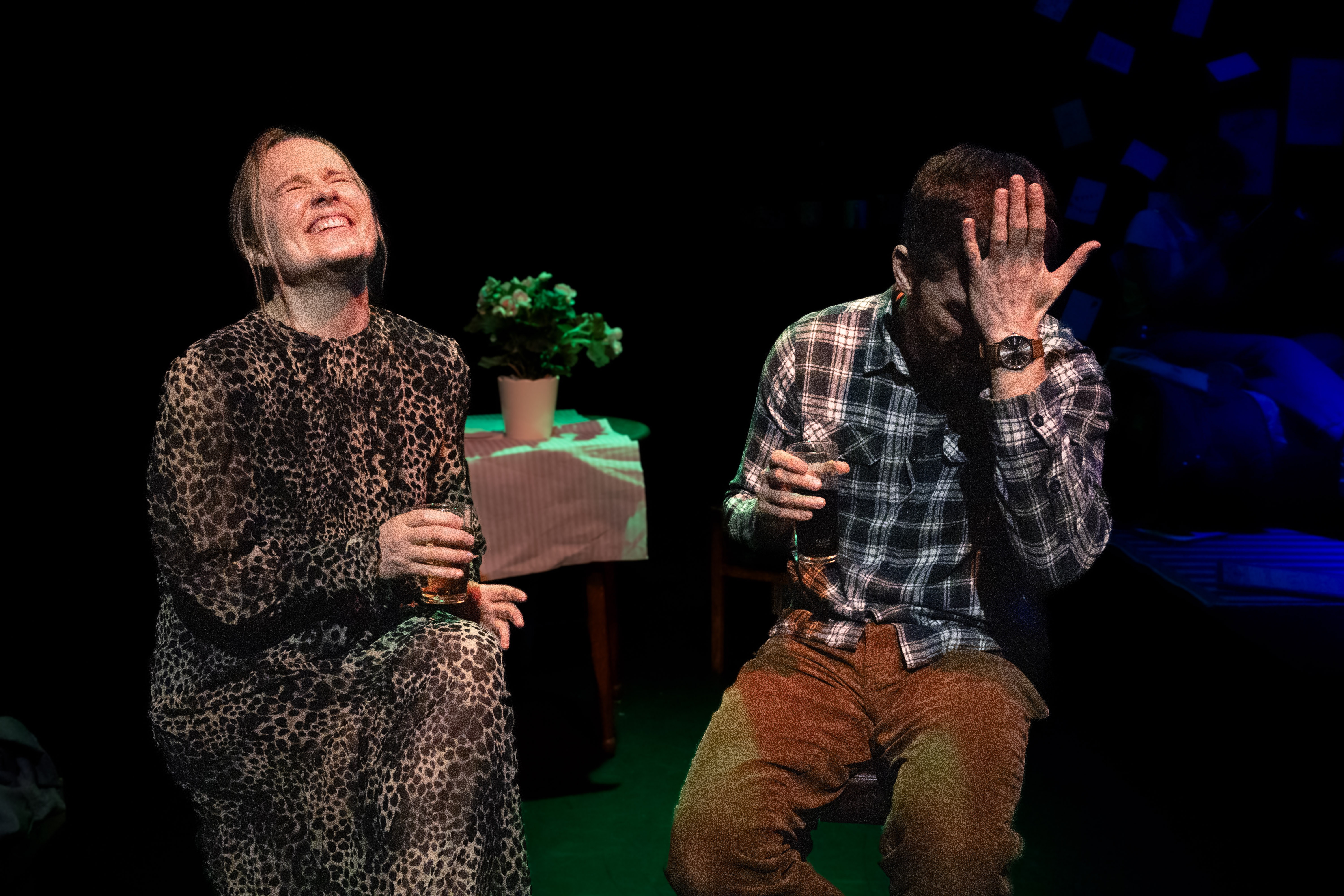
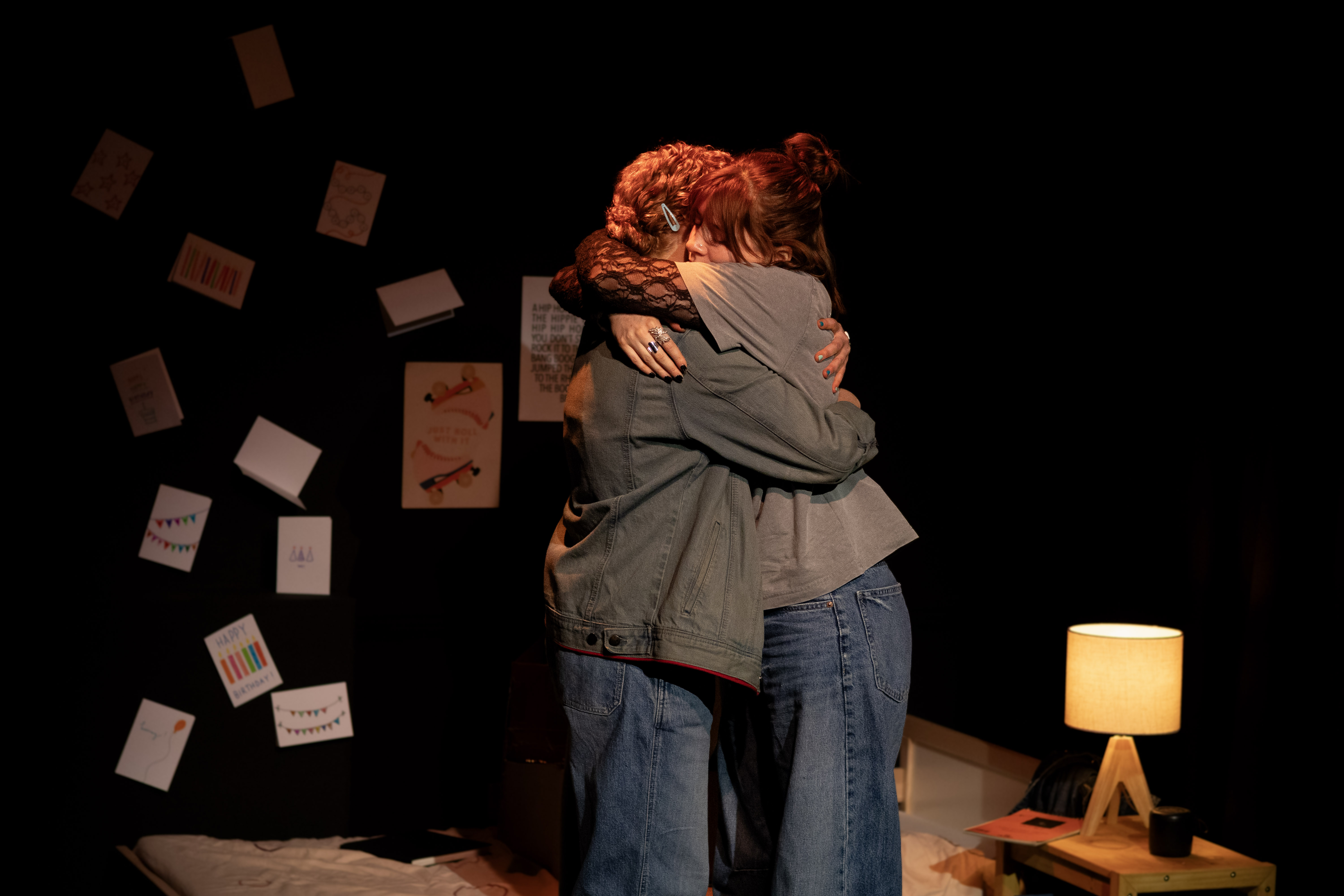
At the heart of Kid Sister is a story about siblings separated within the care system, and the long emotional impact of that separation.
“It’s something I came across through the work,” Owen says. “Sibling groups are often split up, sometimes for very valid reasons. But it creates this situation where a child might grow up waiting years to reconnect with their brother or sister.” Rather than presenting a clear right or wrong, Owen was drawn to the complexity of those decisions.
“I didn’t want to demonise anyone. The care system is full of incredible people doing very difficult jobs. Adoptive families, social workers, foster carers – everyone is trying to do the best they can in complicated situations.”
That commitment to nuance is central to the play’s impact. “It’s about people trying to find normality in circumstances that are often far from normal.”
What did you want audiences to feel or understand?
Owen describes two key intentions: to challenge assumptions, and to create recognition.
“A lot of people have quite a narrow understanding of social care,” he says. “They might think of it as crisis, conflict, or authority figures coming in to take control. But the reality is much more human.”
Through the characters, he deliberately wanted to subvert expectations, which reflects common misconceptions about social care by people without direct experience of it.
“You see a foster carer and a young person in a relationship of trust and equality. You see a social worker who isn’t a villain, but someone navigating an incredibly difficult role. I wanted to break down those preconceptions.”
The play also explores with great empathy and nuance, how sometimes, difficult or even wrong decisions are made by people who have the best intentions, which then must be lived through.
“The reality of what social care is day-to-day is not all high emotions and tears and poor behaviour. It is people living with decisions and trying to find normality within occasionally impossible-seeming situations.”
He went on to explain why this authenticity was critical: “My biggest concern was that someone with lived experience would watch it and feel it wasn’t true. That would have been the worst outcome.” The response to the play has been reassuring, however: “We had social workers and foster carers in the audience, and you could see moments of recognition, which meant everything.”
What parallels do you see between your work at Practice Solutions and your writing?
“At Practice Solutions, the work is about empowering people to tell their own stories and helping others understand the reality of social care. That’s exactly what I wanted to do with the play.”
He sees both as part of the same broader purpose to open up understanding.
“Almost everyone will come into contact with social services at some point in their lives. If we can reduce fear, reduce misunderstanding, and help people feel more at ease, that benefits everyone.”
The play, he says, is another way of doing that: “If someone watches it and then feels more comfortable speaking to a social worker, or more open in how they relate to someone with care experience, then that’s a positive shift.”
How important is storytelling in creating change?
“Storytelling creates recognition. It allows people to see themselves, or to understand someone else in a way they might not otherwise.”
He points to co-production work as a powerful example.
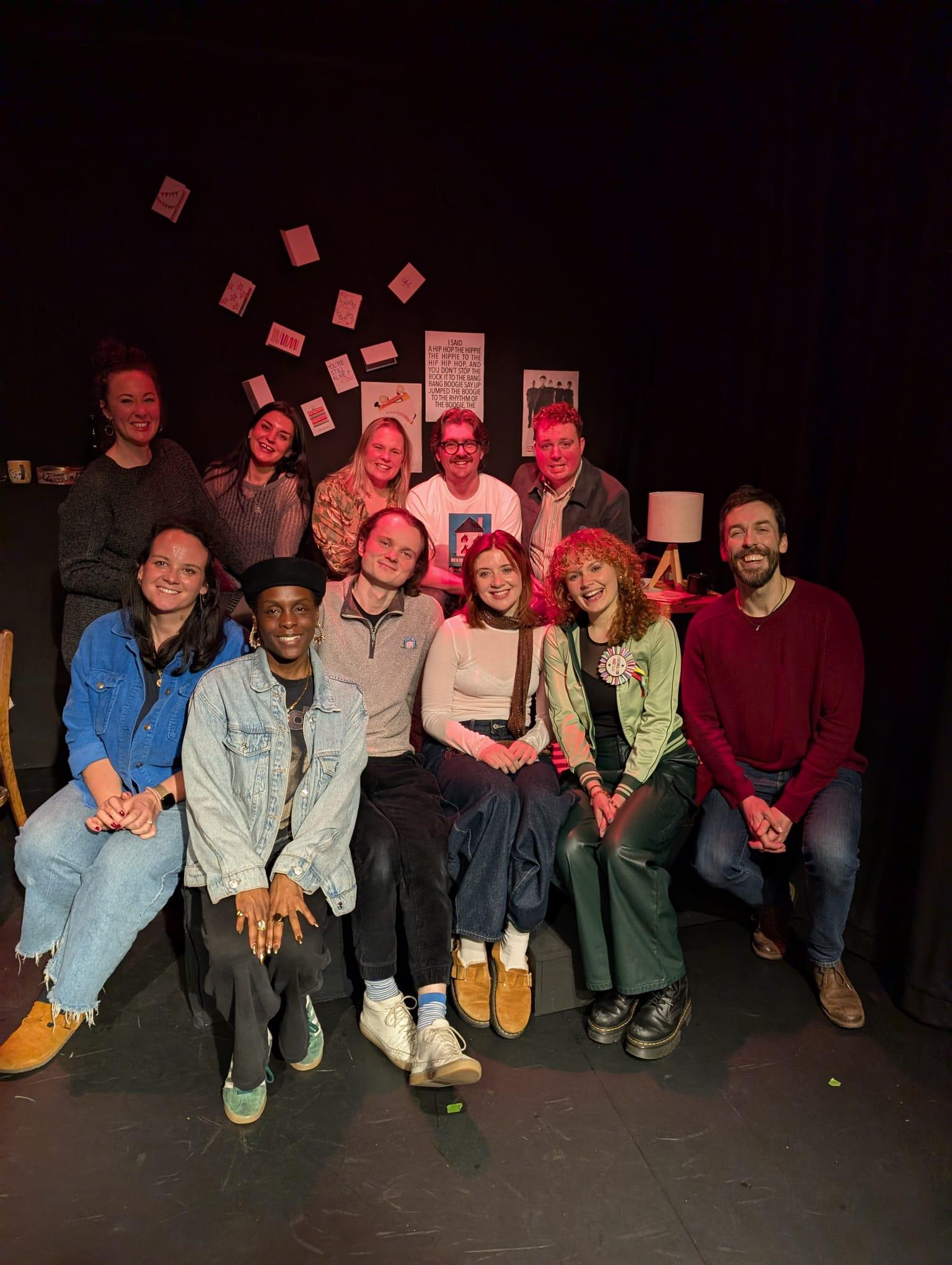
“When young people were given the tools to tell their own stories, it didn’t just create resources, it changed how they saw themselves. Some of them went on to study media because of it. It gave them confidence and direction.”
That same principle carries through into his writing, which is “about giving people a voice but also creating space for others to really listen.”
What role does place and identity play in the work?
Kid Sister is rooted in Wales in its voices, and Owen’s own experience.
“It’s a Welsh story,” he says. “I wanted it to be told with authentic voices and to reflect the place it comes from.” He insisted on a full Welsh cast being used for the staging in London.
He hopes to see the play staged in Wales in the future, with a Welsh cast and audience: “Whether the story translates elsewhere, I don’t know. But for me, it’s grounded in that experience.”
What’s next?
Having won an award and glowing reviews, Kid Sister has clearly resonated not only with audiences with experience of social care, but far beyond.
“I recognise that I’ve had access to experiences that not many writers have,” he says.
Through his work at Practice Solutions, he has engaged with people across the full spectrum of social care, from children in care to people receiving domiciliary support.
“That insight is something I want to keep exploring,” he says. “There are so many stories within social care that haven’t been told.”
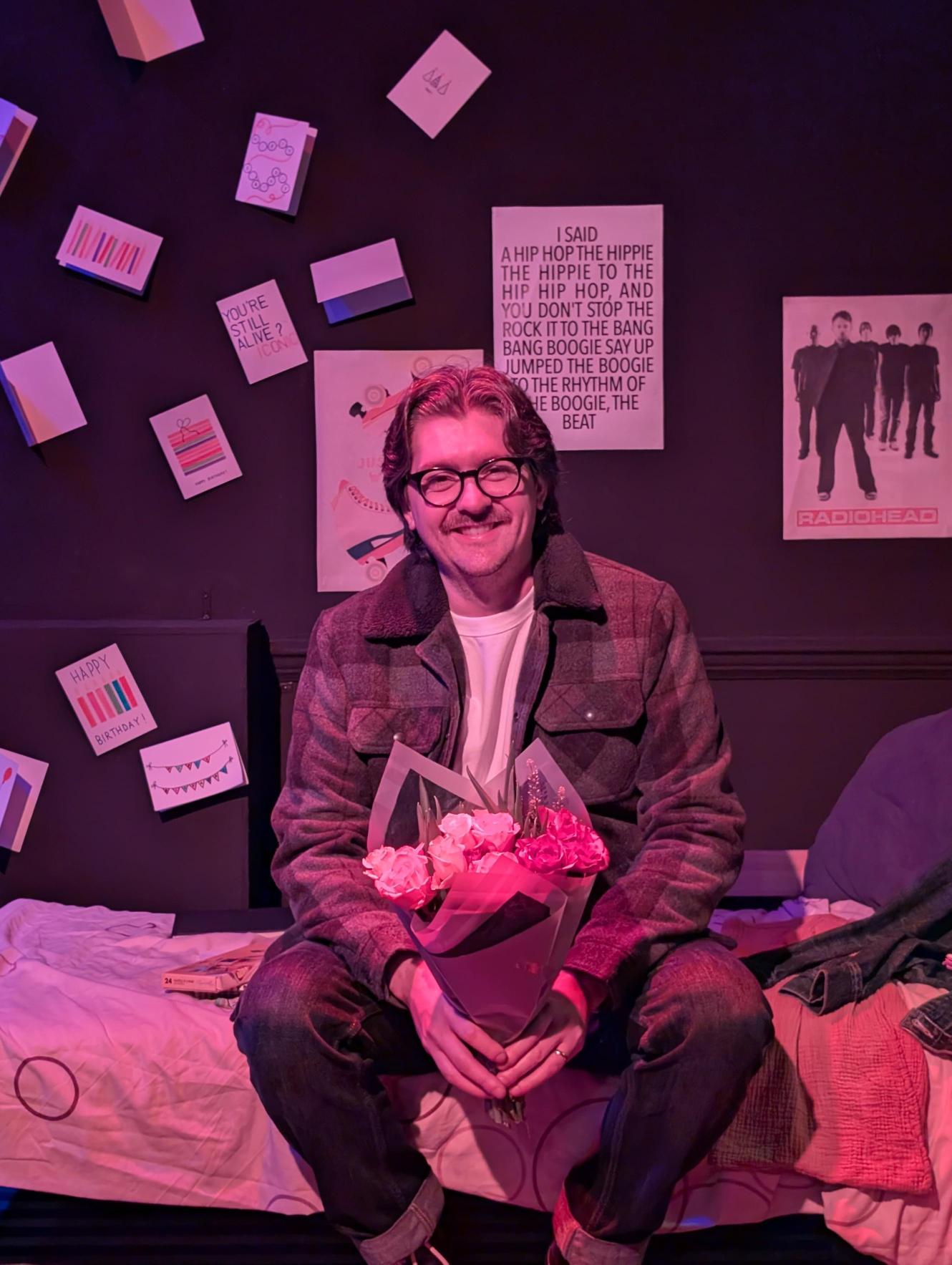
A shared commitment to voice and understanding
Owen’s journey from co-production workshops to the stage reflects something fundamental about Practice Solutions’ work: that when people are given the tools and space to tell their stories, the impact can be far-reaching.
Whether through a short film created by a young person, or a theatre production reaching new audiences, the principle remains the same. Stories create connection and understanding, which is where change begins.
You can find out more about our co-production work here or email lewis@practicesolutions-ltd.co.uk.