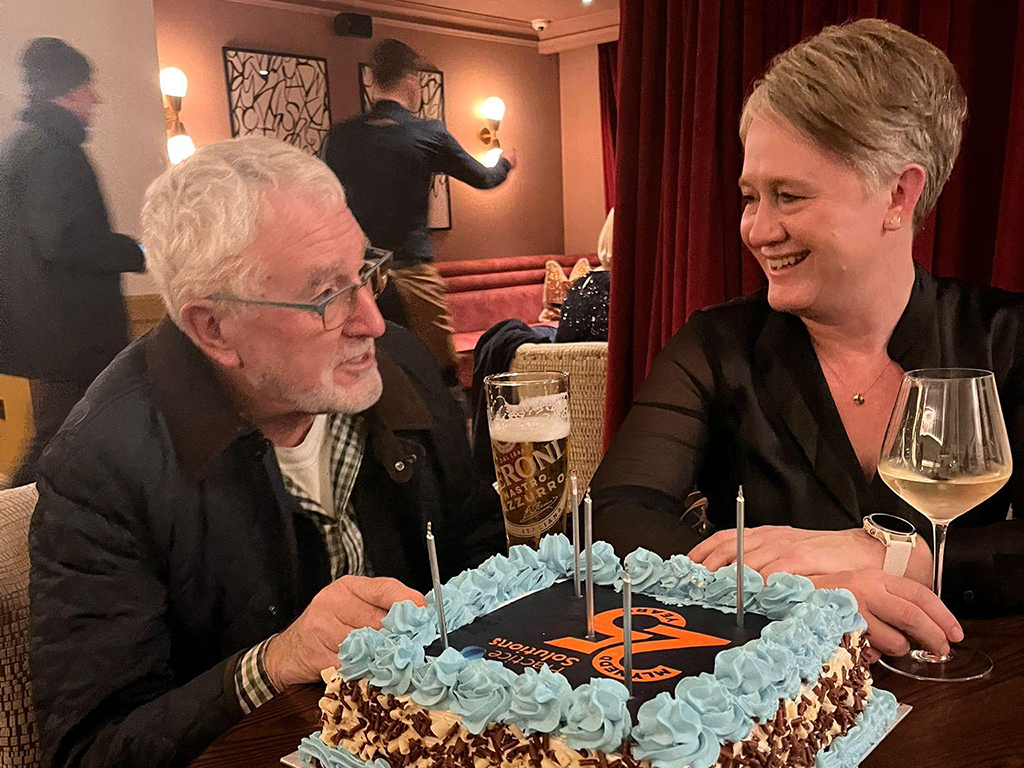
As part of International Women’s Day and International Social Work Day 2026, we asked our Chief Executive, Sarah Day, to reflect on her career and being awarded an MBE in the 2026 King’s New Year Honours List.
It’s been a whirlwind few months since being awarded an MBE in the King’s New Years Honours list. There was a whole host of congratulations, which bowled me over. It’s been lovely, but thankfully, everyone’s comments about a curtsey in my presence has stopped now!
Initially, I was shocked to learn I’d been given this award, which is how a lot of awardees feel, I imagine. But quickly I concluded that if accepting the MBE meant I could advocate for social care, then it was worth the imposter syndrome and endless teasing about curtseys!
Which lead me to my next dilemma: with this privileged position, what social care causes do I want to champion?
To find the answers, I thought back to what brought me to this moment. What key experiences in my career influenced my beliefs and passions?
Stratford Circus Theatre, East London, 1999
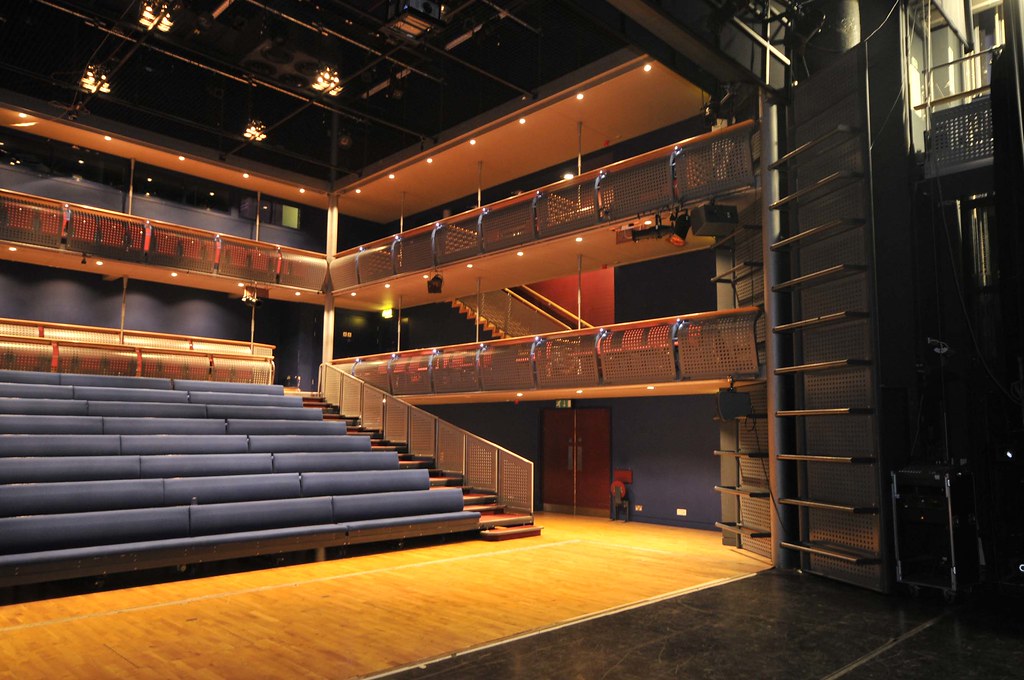
I’d recently graduated from university and was invited to be a videographer for a week of workshops with a group of children in London. Along with some musicians from Guildhall School of Music, we were teaching composition and video production.
I was 21-years-old, naïve and nervous. Quite a way into the first workshop, in walks a teenage boy with his hood up and shoulders down. He already looked like he didn’t want to be there. My presumptions got the better of me – I distinctly remember hoping that our paths wouldn’t cross much during our week together. On reflection, my response was through fear. Nothing else.
Of course, despite that worry, the young boy was assigned to my group. Very quickly he showed a real talent with the camera. After turning up late on the first day, he arrived early the next morning to give him more time to film and edit. He’d found a passion.
On the final day, his mum said to me that she didn’t know what had happened, but the experience had been life changing for him. He’d just been expelled from school and they didn’t know what was going to happen once the holidays were over, but the work we’d done gave him a sense of purpose.
Afterwards, he asked if I could send him a VHS tape of the video we’d created. When I asked him to write his address down, he revealed he couldn’t write. I had no idea.
We’d spent all week building a relationship based on his interests and abilities, not on his deficits. It went to show what difference we can make when we see the person, not the problem. Invest in long-term relationships and you can really see how they flourish over time.
National Citizen Panel, 2014-2016
I consider this project to be one of the most important in my career. It taught me so much about people, services, and what’s important to those in the receipt of care and support.
As Practice Solutions, we were independent facilitators working on behalf of Welsh Government. Over a number of years, we worked with a group of individuals to inform the development of the codes of practice and regulations for the Social Services and Wellbeing Act.
This was an important moment in ensuring that voices of lived experience had a say in how social care policy was shaped. It also highlighted how small changes can make a big difference in creating the right conditions for people to thrive in their work.
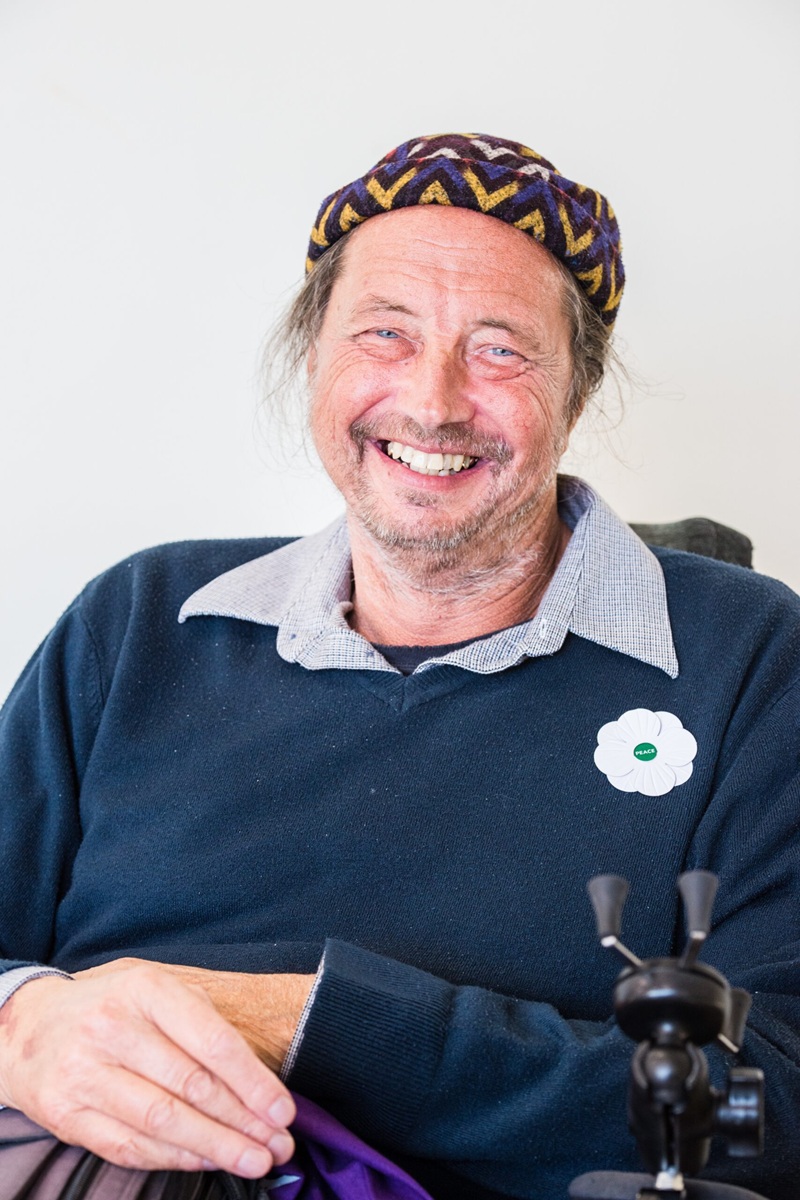
One key memory was working with Trevor Palmer, a disability consultant and wheelchair user. He told me that he never quite felt like an equal voice around the table because he quite literally couldn’t get his feet under, because many of the meeting tables were too low for his chair.
It sounds minor, but it makes a real impact on how included someone can feel. So, we ensured that whenever we met in any part of Wales, the table was adapted so Trevor was able to properly participate with his fellow contributors.
Unless you have experience of working with disability, it’s not something that would occur to you. But it goes to show how much of society is shaped by an unspoken able-bodied, neurotypical standard.
It’s only by empowering everyone, giving them the space and support to advocate for themselves, can we deliver services that truly improve lives.
AI in Social Care, 2026

In my role as Business Unit Delivery Lead for ADSS Cymru, it’s fascinating to see the emerging use of AI to some parts of social care and social work practice.
A key point of focus is ensuring AI is used to enhance, not replace, services or professionals. This is a tool that, utilised correctly, can take the administrative load off practitioners while better capturing the voice of people receiving care and support.
I am seeing this first-hand when speaking with a friend of mine, now in her 90s and a former social worker. She’s been keen to capture her memoirs for her granddaughter, but registered blind, this isn’t simple.
So for the past few months, I’ve spent time listening to my friend, making a transcription of the conversation and then summarising using AI. We’re slowly building an archive of all her stories that reflect her own words.
During one of our conversations, my friend mentioned that she’d had a social work assessment but it had been captured incorrectly. There was no way to identify who had written the document, which caused her great distress. How can we challenge practice when there’s no accountability?
This example illustrates how using AI can create time and space for social workers to have valuable, relational conversations with people, while improving accuracy and personal outcomes for the individual.
However, when dealing with frontline services, there’s no room for error. AI isn’t perfect and there are plenty examples of it incorrectly capturing or even fabricating information.
This is why I’m so passionate about it being introduced gradually, carefully, and with a clear focus on improving outcomes for professionals and people receiving care alike.
Which brings us back to the big question – what causes do I want to champion?
A social care system that sees the person, not the problem. Services shaped by voices of experience. Using digital technology to improve frontline services. If this honour helps me to assist my many wonderful colleagues and peers in this mission, then I’m deeply grateful for the opportunity.